Welcome back to installment three of my Antarctic adventure!
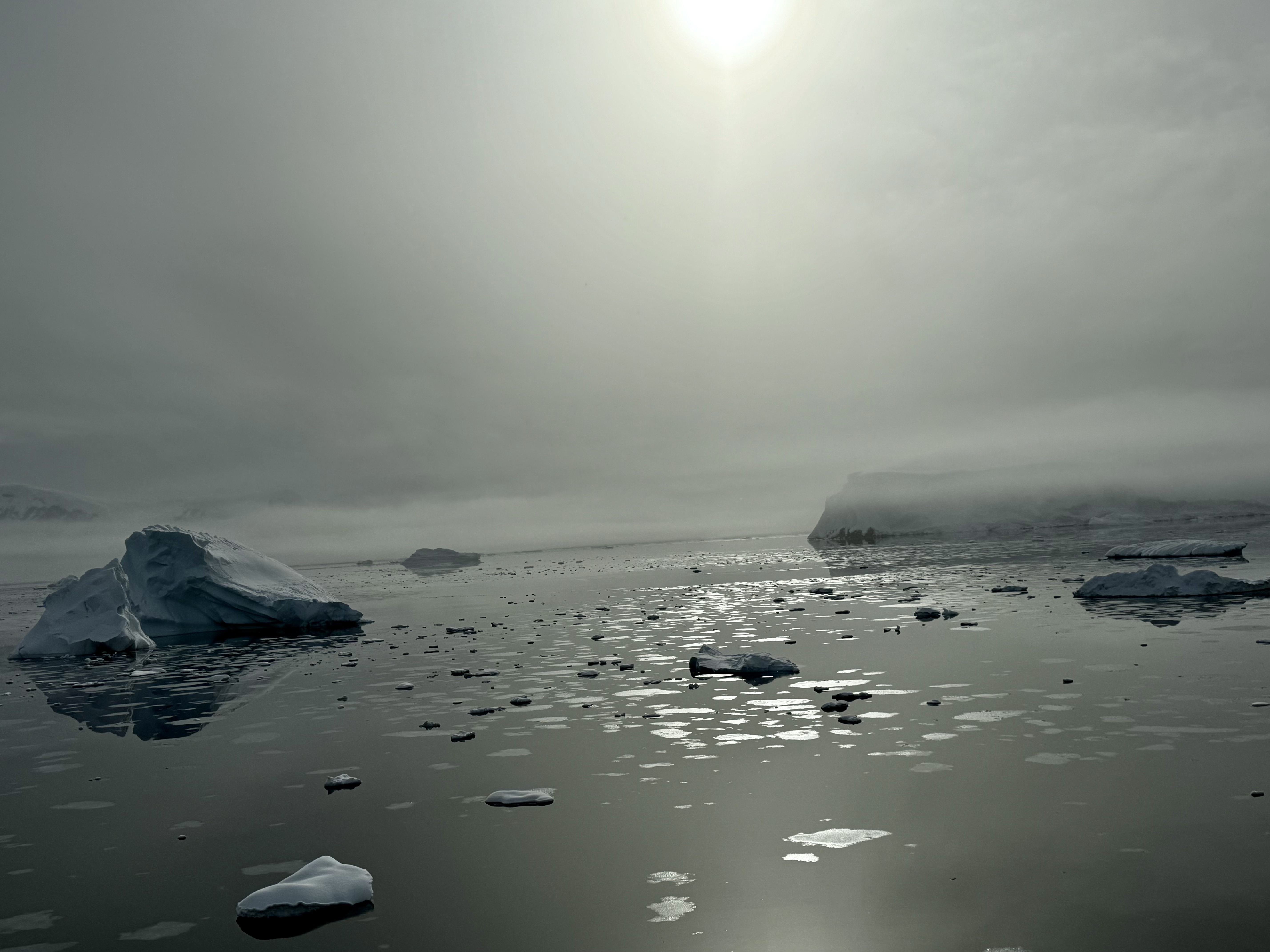
I can’t express to you how remote we were.
Before I left, Lauren handed me the book Endurance, about Ernest Shackleton (Thank you, Lauren!). I devoured every frostbitten page — gripping, impossible (yet nonfiction!!!), a must-read if you’re into adventure or about to set foot in Antarctica. I brought the story to pass along to mis amigos. Helen tore through it quickly; by the time we were flying from Buenos Aires toward Ushuaia, she was on the final chapters. I sat beside her, shamelessly rereading over her shoulder. Does anything say “this is my best friend” more than silently sharing the same book at the same time? We both simultaneously gasped as we read. I knew what was coming and still, I teared up; THAT’S how good this book is! Patrick had his turn while we were on our actual ship. Reading Endurance while bound for the same continent as Shackleton might be the most novel way to enjoy that novel.
Here’s a summary with spoilers: In 1914 Ernest Shackleton set out to cross Antarctica with 27 crew and one unexpected passenger, a stowaway (foreshadowing, anyone?). Frustratingly, his ship, the Endurance, didn’t just get stuck in the ice — it was slowly crushed to splinters in the Weddell Sea. The crew on board managed to escape and (literally) watched their ship sink. They lived on drifting ice for more than a year, building makeshift camps, hunting seals and penguins to eat, and melting snow every day for water to drink. When the ice began to break apart, they launched the 3 lifeboats they had saved and rowed them through freezing, violent seas in search of land. Waves broke over their lifeboats soaking the men completely through, their hands froze to the oars, they wept from exhaustion and blisters, but still they rowed. For seven days they battled toward unforgiving Elephant Island – it was the first solid ground they had seen in 497 days!! However, relief was brief because the weather on the island was relentless: gales, sleet, snow, and storms raged on for weeks. The men built a semi-permanent shelter using boulders and the inverted hulls of two of their lifeboats as roofs. Inside that fragile shelter the condition of the men was dire; weak, ice-crusted, and half-starving. As the Antarctic winter approached, a decision was made: Shackleton would send a small party in the one lifeboat they had left to go and seek help, leaving 22 people behind.
Not every voyage ends at shore.
Shackleton plus five more men launched into the most perilous open-boat journey in history: 800 miles across the roughest seas on Earth in basically a glorified rowboat. They bailed water by hand, chipped ice off the sails, and took turns steering through hurricane-force winds on rations of cold seal meat (ew) and prayers. After sixteen sleepless nights at sea, Shackleton and his five crewmates finally sighted South Georgia Island. Unfortunately, they landed on the wrong side — the uninhabited, mountainous side — and were too weak to sail around. They had no choice but for half of them to go off and seek the whaling station on foot: Those 3 men marched for 36 hours straight (that means no sleep), climbing through fog with nothing but a compass and will power. 32 miles over uncharted glaciers and peaks that no human had ever mapped. When their vision failed them, they followed the sound of running water. Near the end, a faint church bell drifted through the mist – a noise so human it stopped them cold. The men at the whaling station didn’t recognize Shackleton or his two men who were gaunt and wearing rags held together with rope. The station manager wept when Shackleton introduced himself. After seventeen months stranded in the Antarctic, the crew from the Endurance finally reached help.
Meanwhile, the 22 men on Elephant Island waited. They huddled. They rationed every scrap of food. They watched the sea for a miracle ship.
Shackleton wasted no time, as best as he could. Within days, he organized a rescue mission for everyone else and, after four attempts through impassable pack ice, he reached them 127 days later. Against every odd, all 28 of his crew, even the unplanned passenger, survived. Not one single life was lost.
___________________
I zipped up my layers and ruminated on how absurdly lucky we were. Shackleton’s story was everywhere in the ice. We would feel the spray from the zodiacs and shiver as we imagined their voyage. I couldn’t help noticing one element of symmetry which brings me, selfishly, to my own story, the fact that THEY had a stowaway on their ship and I also had a stowaway on my ship.
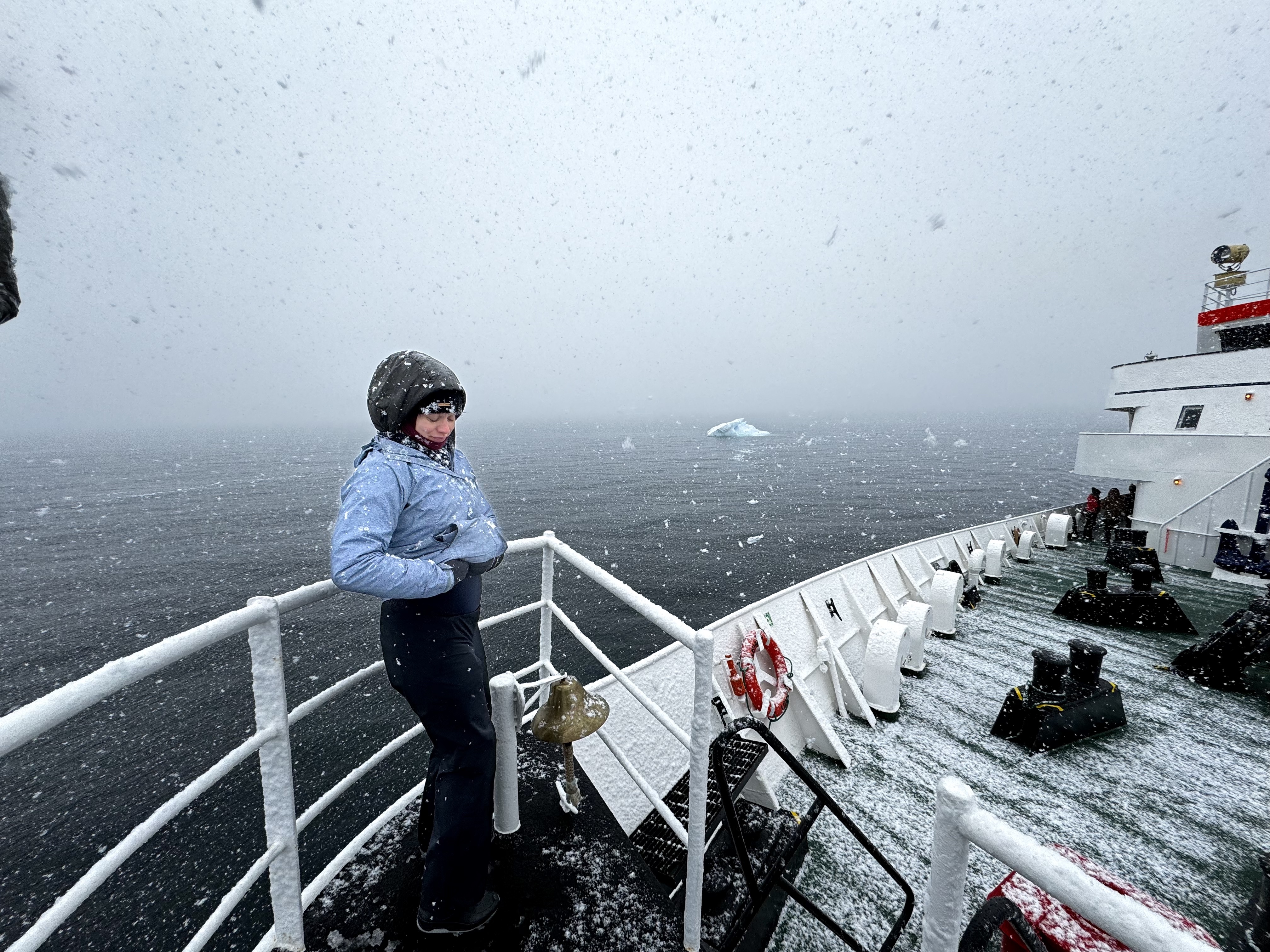
“Life on board” took on new meaning.
My stowaway was smaller, quieter, and, thankfully, less frostbitten than Shackleton’s. The ship’s doctor nicknamed the baby in me “Pingüina”, which is Spanish for girl penguin – and the name stuck. Soon, everyone was calling her that, even back home.
I see where the phrase “alive and kicking” comes from.
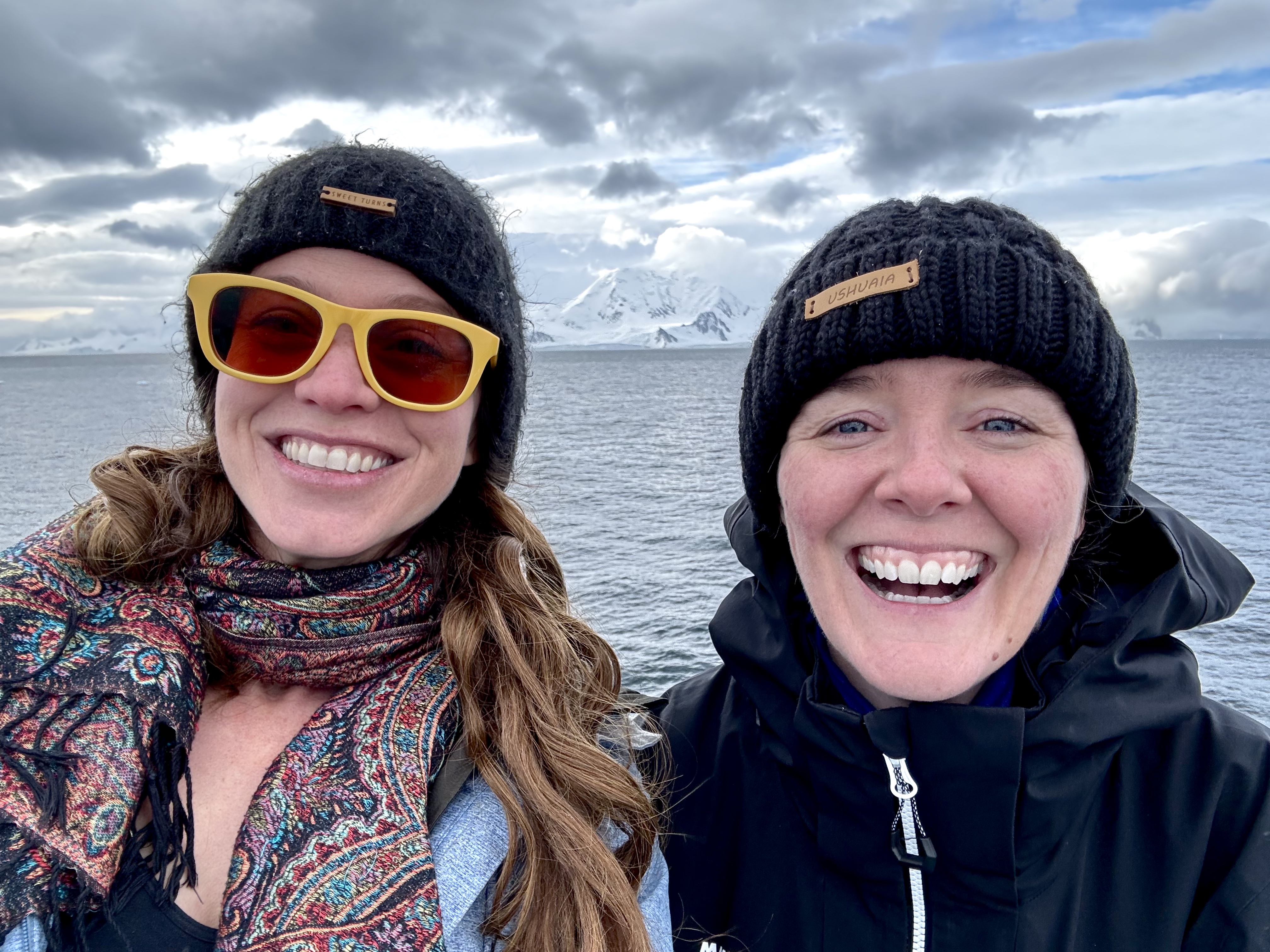
Pingüina’s Aunt Arctica.
___________________
The days stretched long and bright because even the sun didn’t want to leave this magical place. Our time on the MV Ushuaia continued in surreal rhythms while also being strangely domestic: landings, blue ice, shared meals, lectures, penguins, feeling the baby move, a wedding, a comedy show, and an unexpected Guinness World Record.
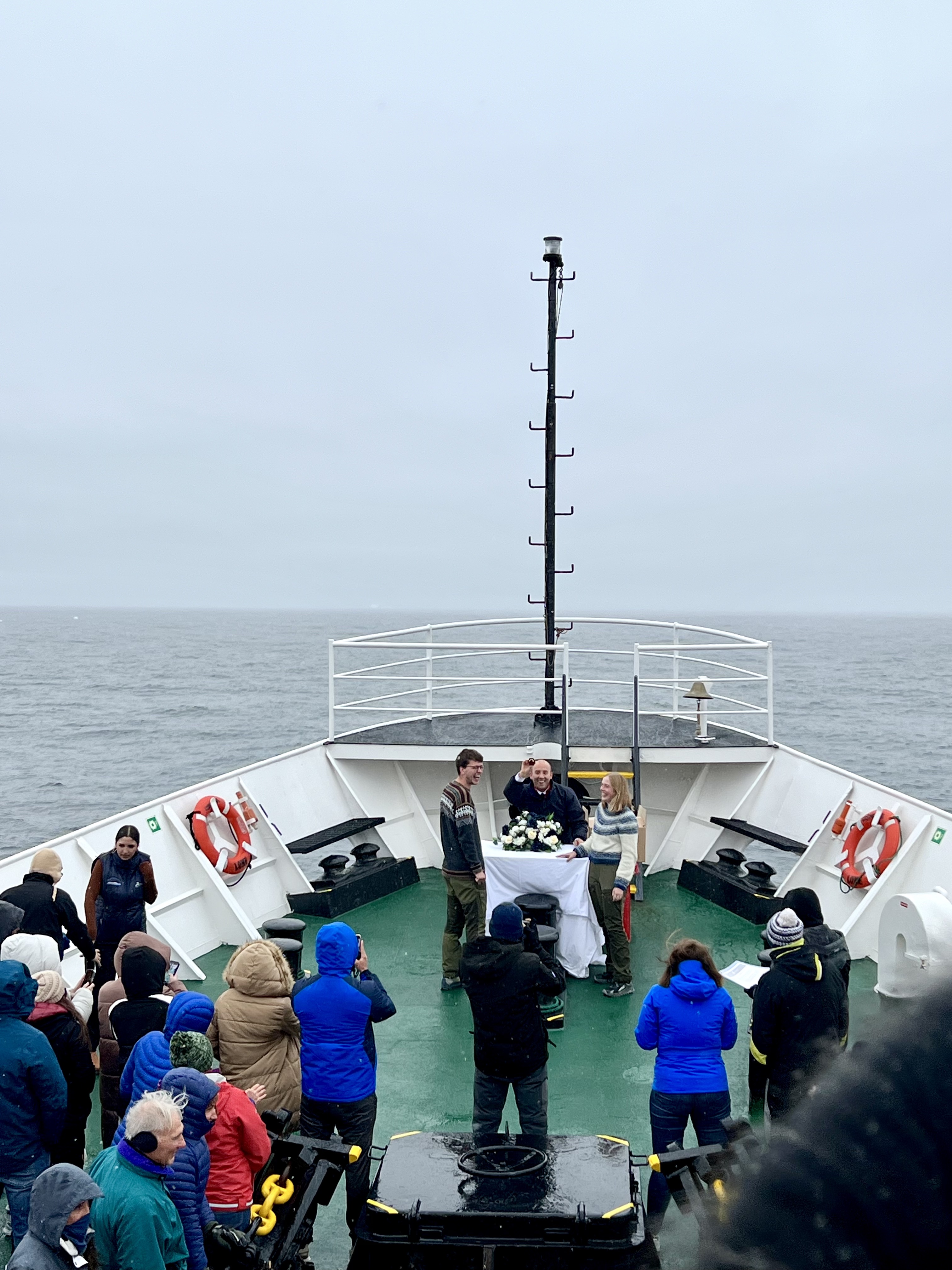
Dearly Beloved.
A couple from The Netherlands got married and the entire ship was invited! There was a glacier as the witness, their kiss, and then an unforgettable fog horn followed by what must be holy matrimony.

The Honeymoon phase.
That night, at dinner, Helen announced her Guinness book of World Record attempt – the largest comedy show ever performed in Antarctica. Without giving anything away, here’s how it went:
She’s talented on every continent!
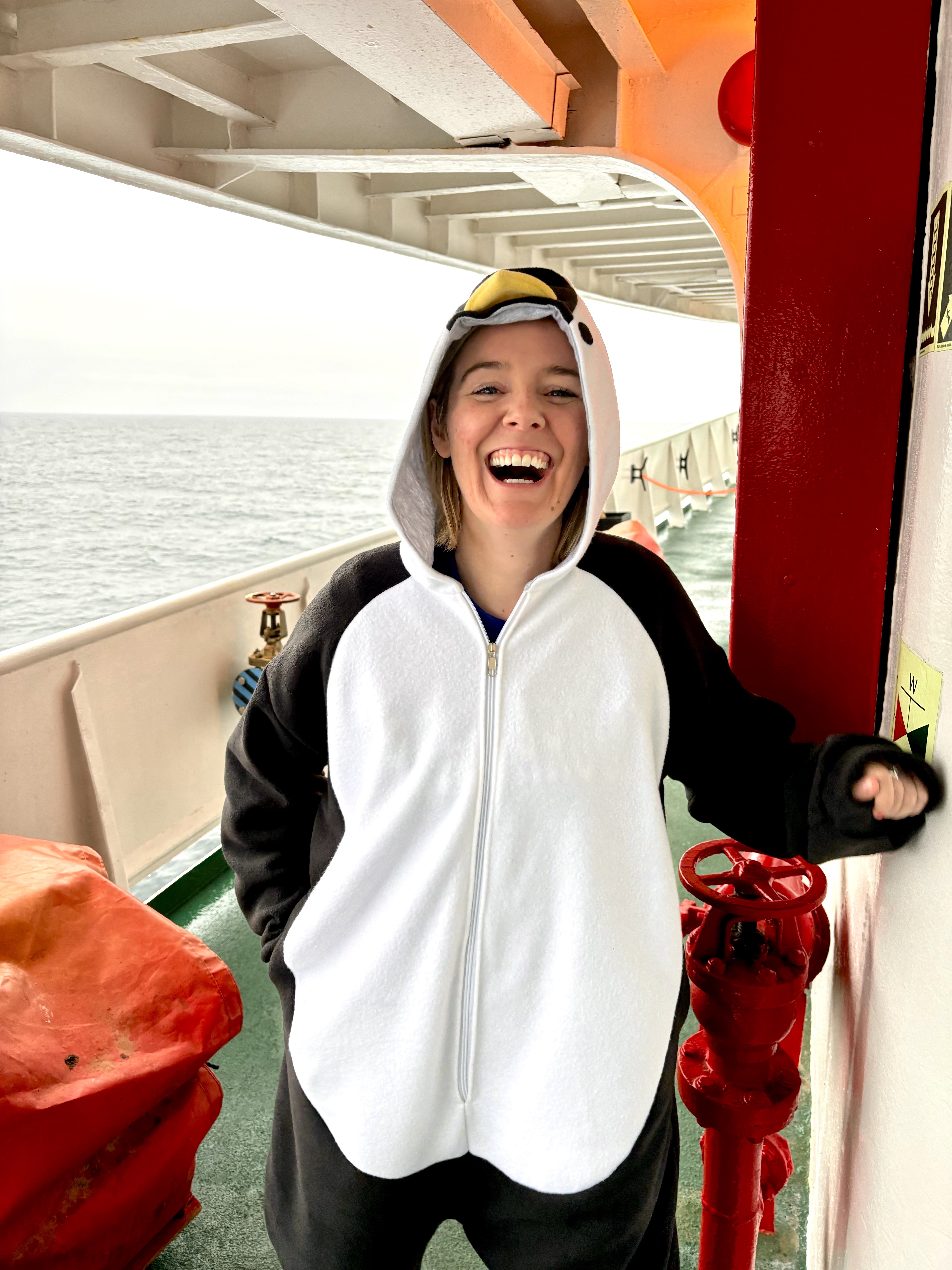
And takes “Antarctic Ambassador” very seriously.
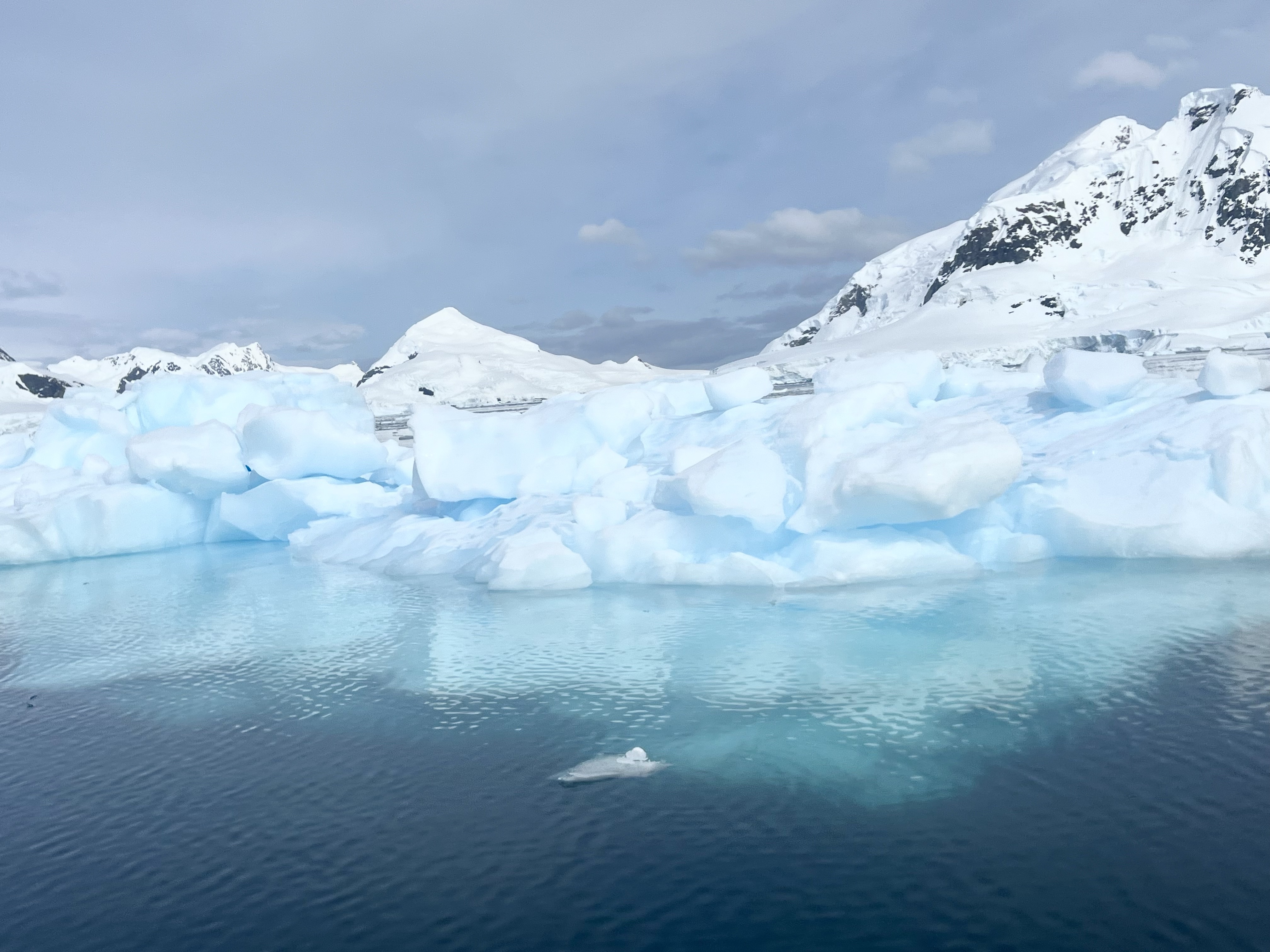
By looking, you can not tell what time this picture was taken.
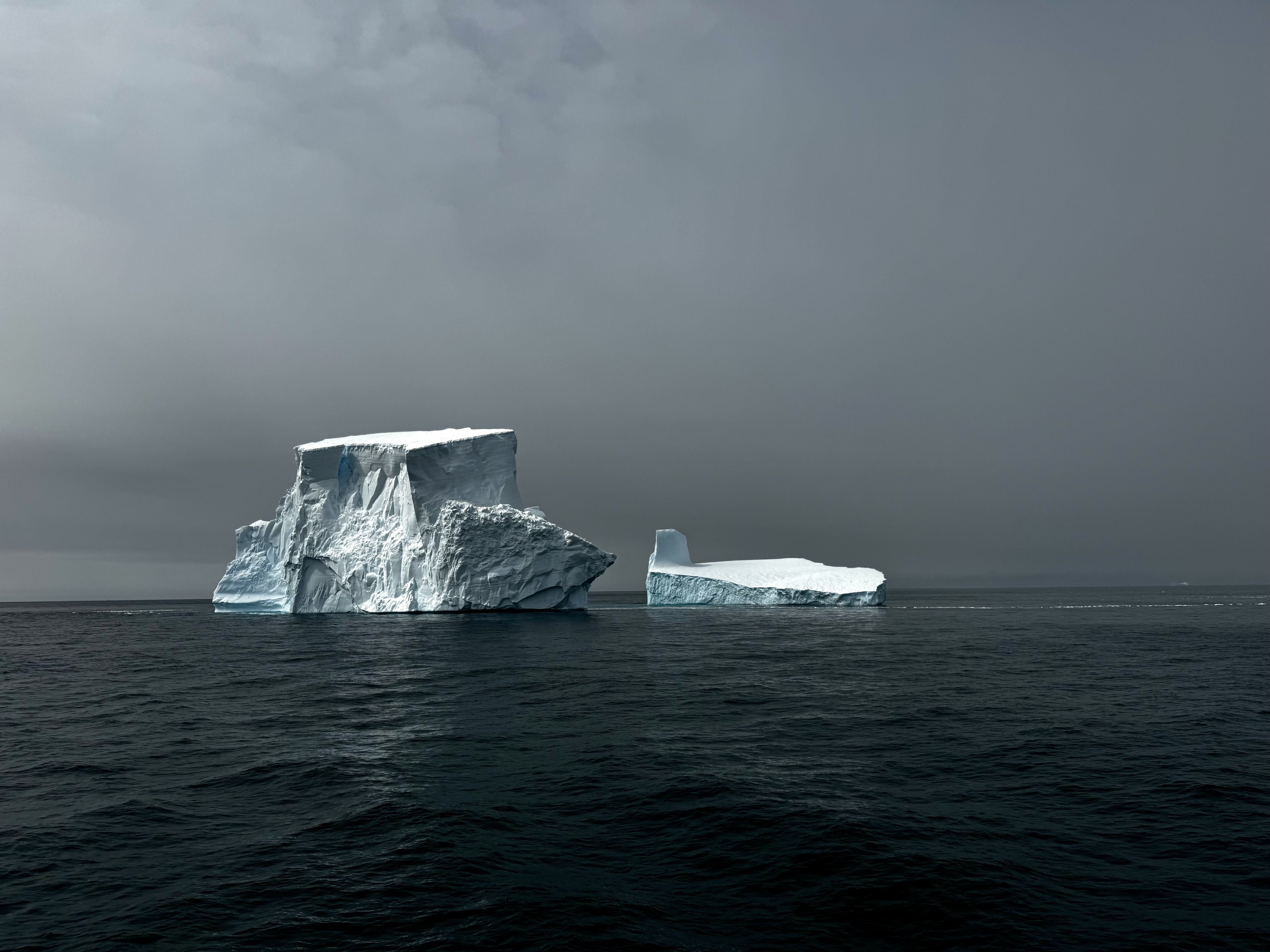
Oppressively gorgeous!

Antarctica said “Earth tones? Never heard of her.”
Outside, your eyes couldn’t take in so much beauty at once.
Inside, it was first-class.
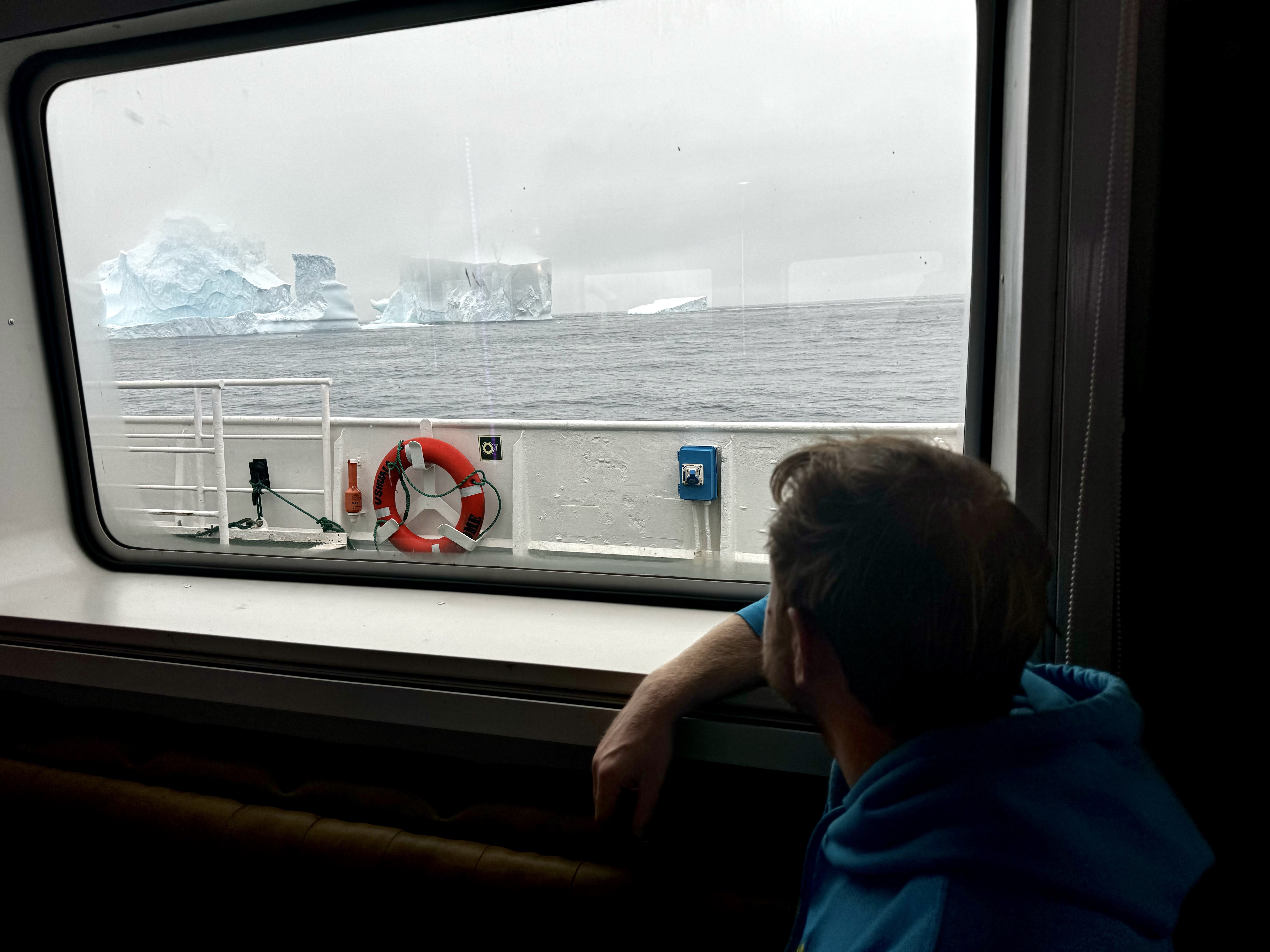
The view from our floating living room, icebergs on repeat.
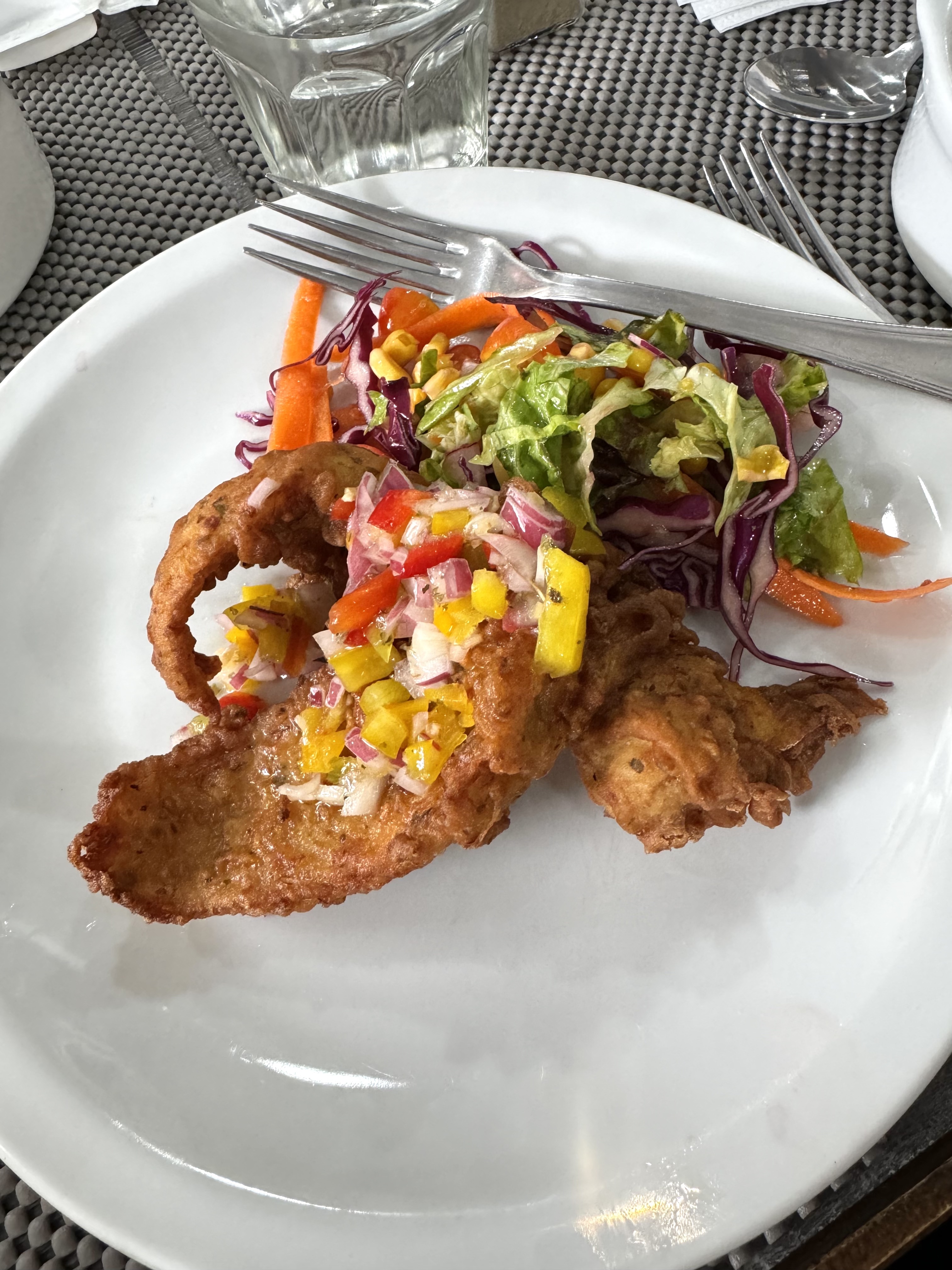
No one goes to Antarctica for the food…but MV Ushuaia gets 4 Michelin-sea stars.
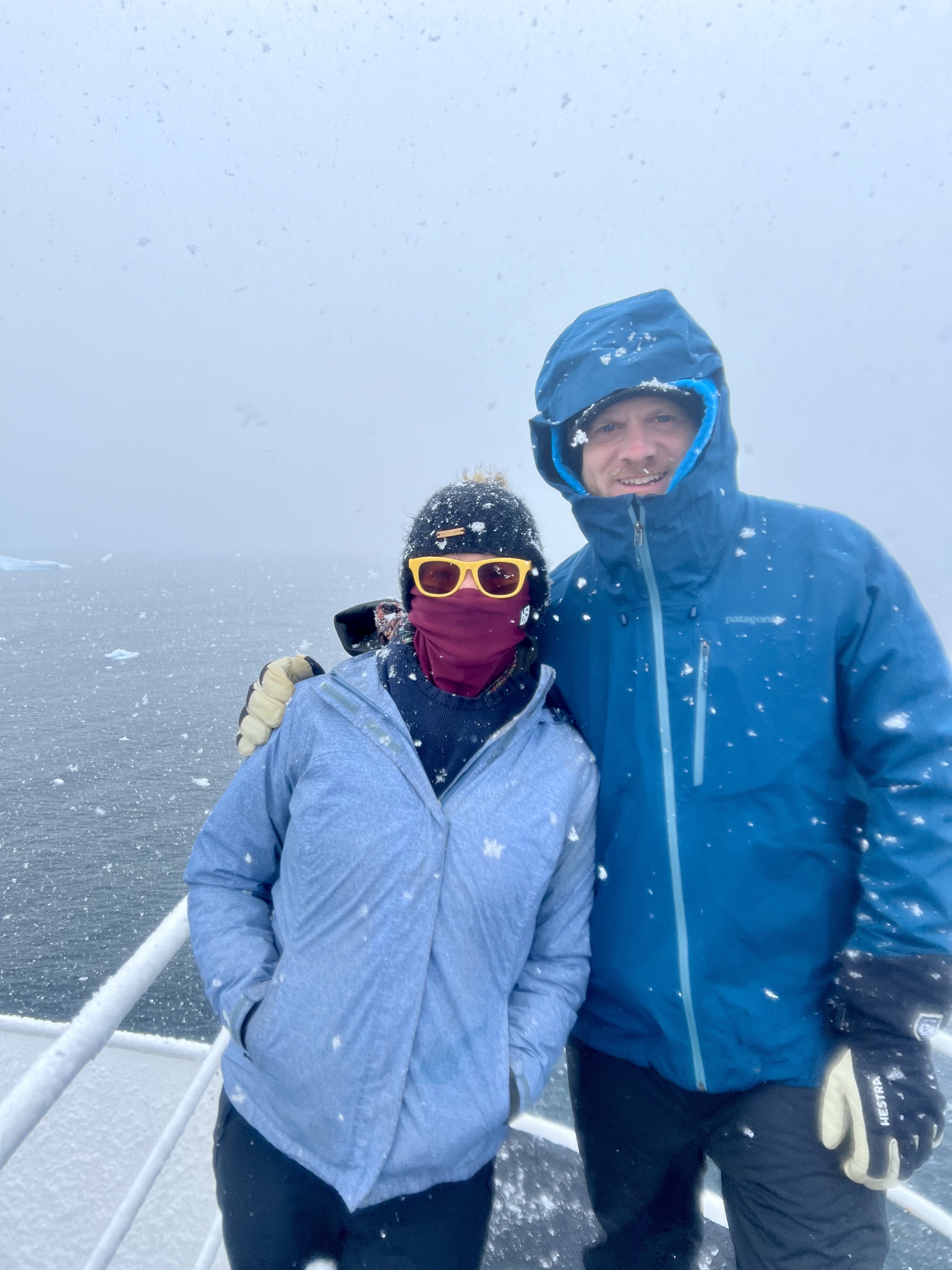
The snow was as wild, thick, and tasty as popcorn 😉

19 (of the 21 countries onboard) represented.
Our ship carried us—seventy-two passengers, forty crew, three best friends, and one very active stowaway—across frigid seas and straight into awe. Together we were dazzled by the color of cold itself, the low, ancient creak of glaciers, and the comfort of hot soup. The MV Ushuia didn’t just take us to Antarctica; it became part of the adventure.
Nourished by wonder, joy, delicious food, and gratitude,
‘mi & Pingüina
 Adventuresam
Leave a comment